© Eva Sommer
Rundgang in 3 Words

Author: Ilay Schwingshandl (Red)
So what exactly is "Rundgang"? In four interviews, students from various studios share their personal experiences and discuss the artistic works they are exhibiting. Learn more about what you can discover during the Academy’s Open Days!
overwhelming, overwhelming and tired.
einfallsreich, kunst, leute.
überfülle, freund_innenschaften, besucher.
busy, exciting, community.
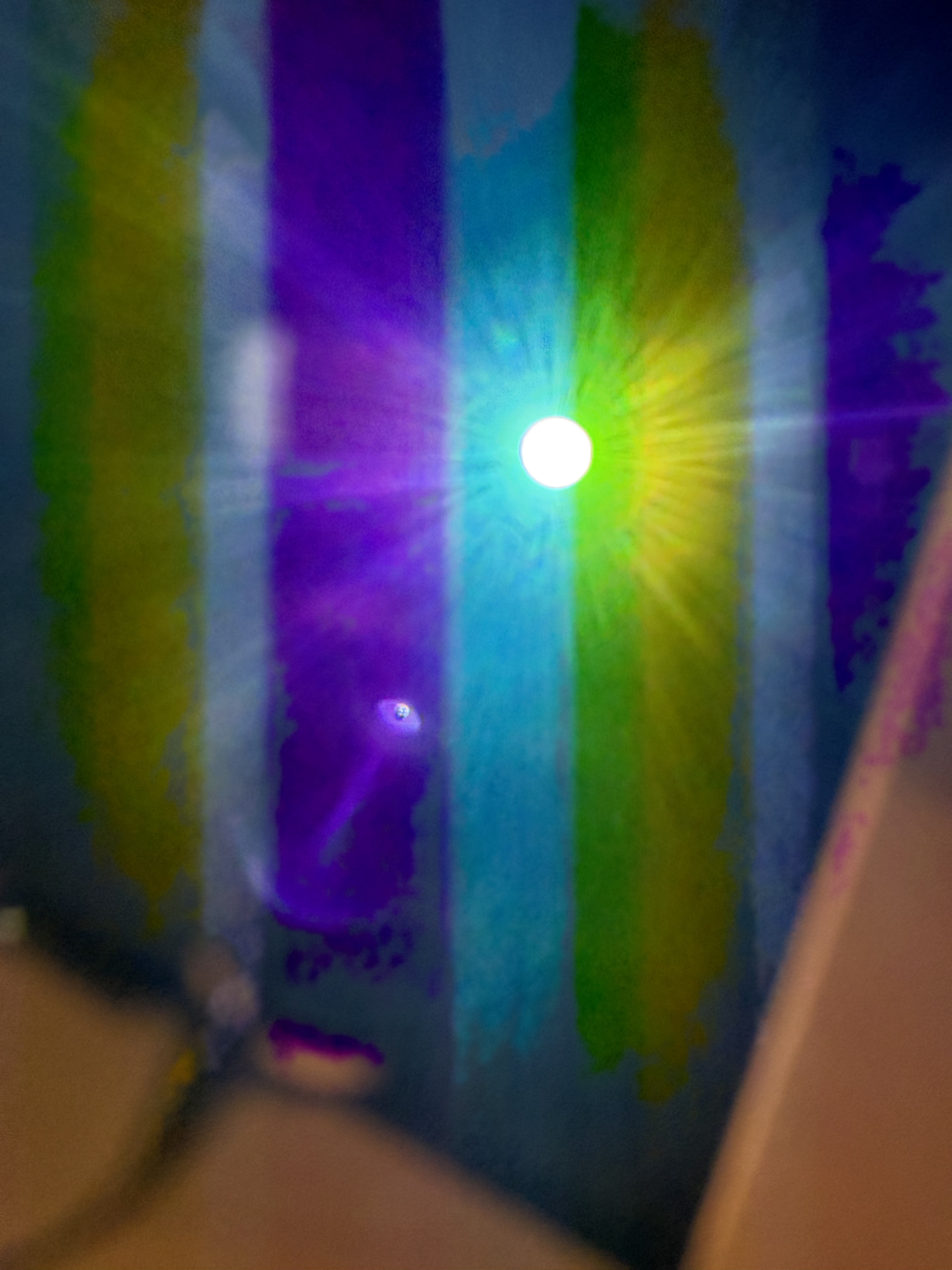
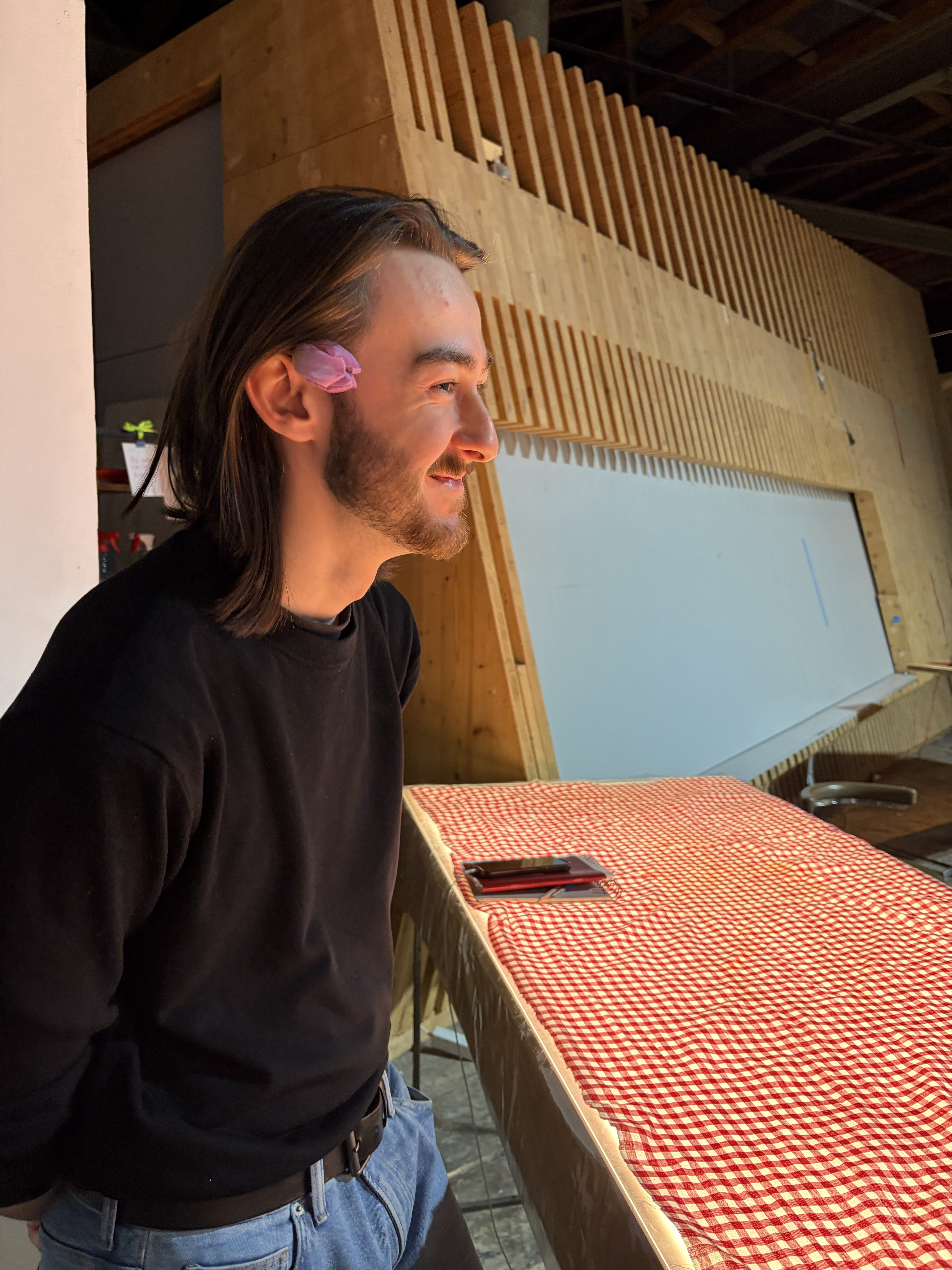
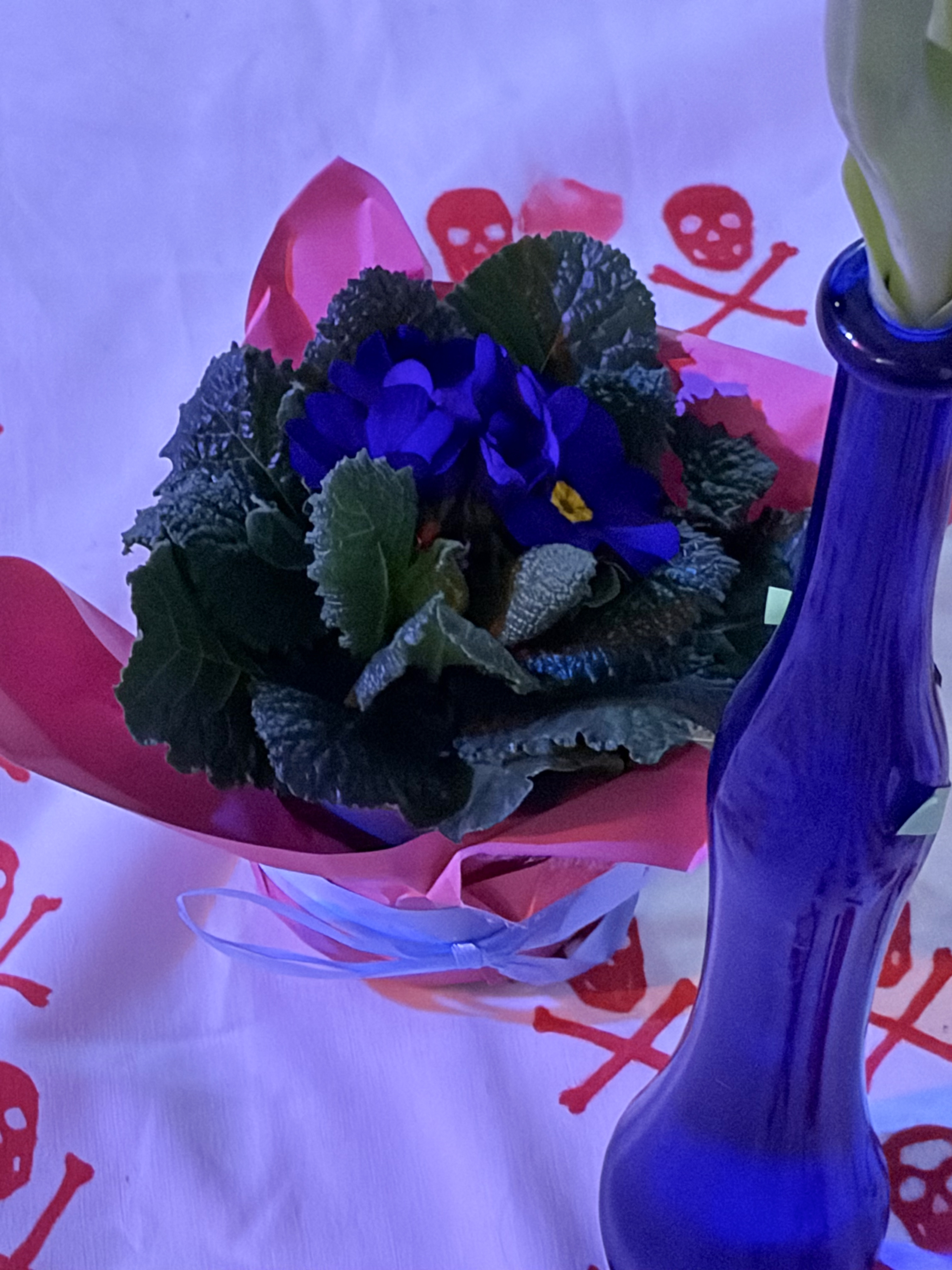
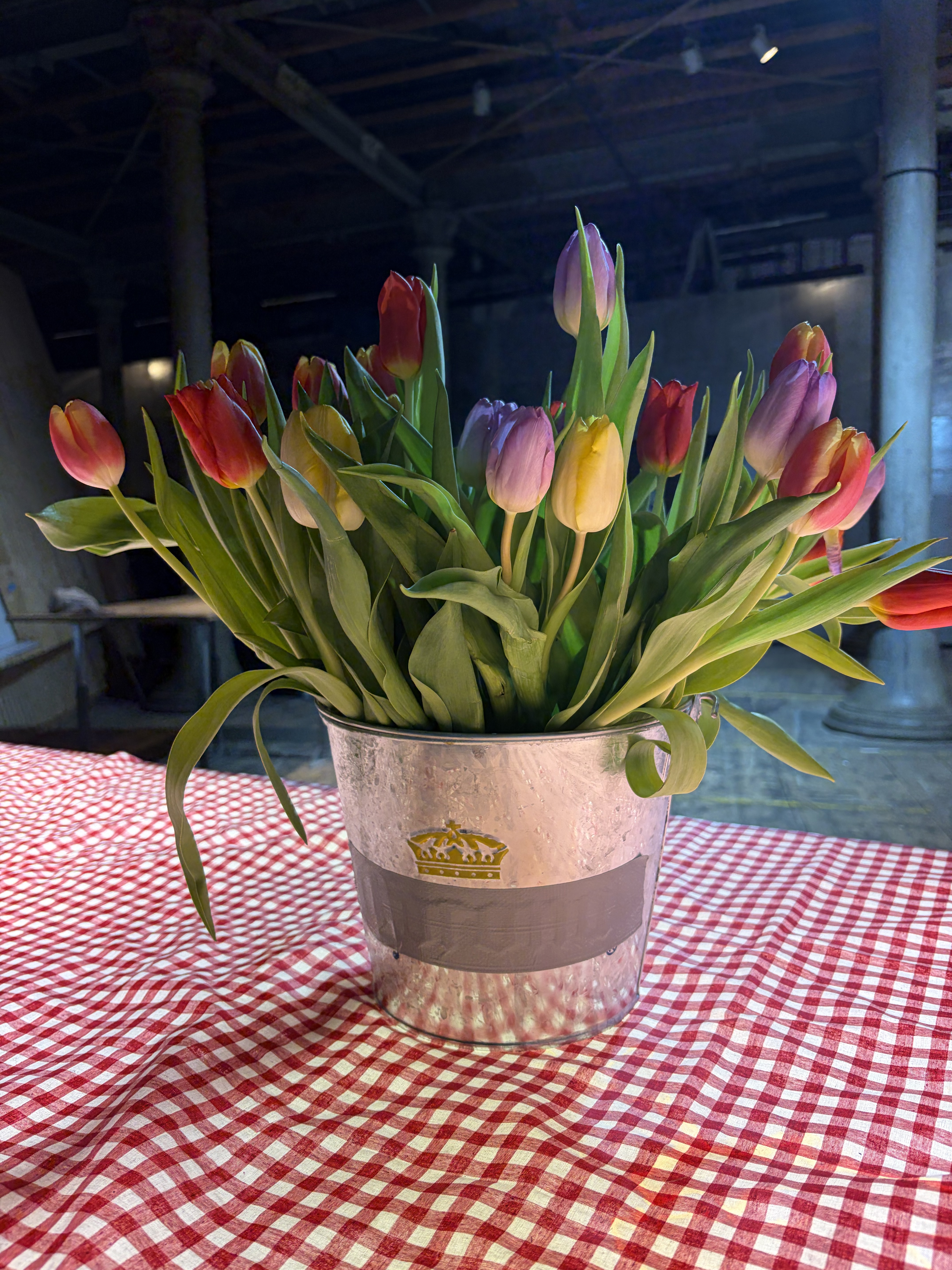
tulip, machines and makava
© Minjae Kim
© Minjae Kim
© Minjae Kim
© Minjae Kim
© Minjae Kim
© Minjae Kim
I'm surprised how many things can happen at the same time..
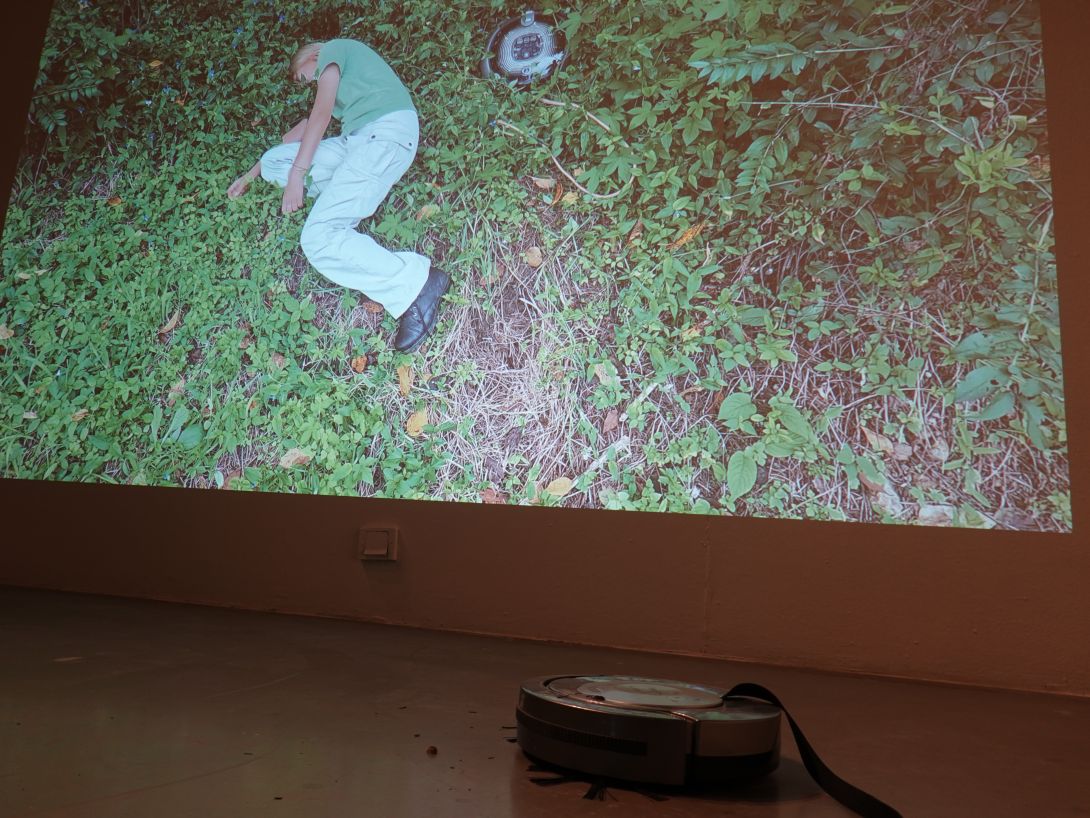
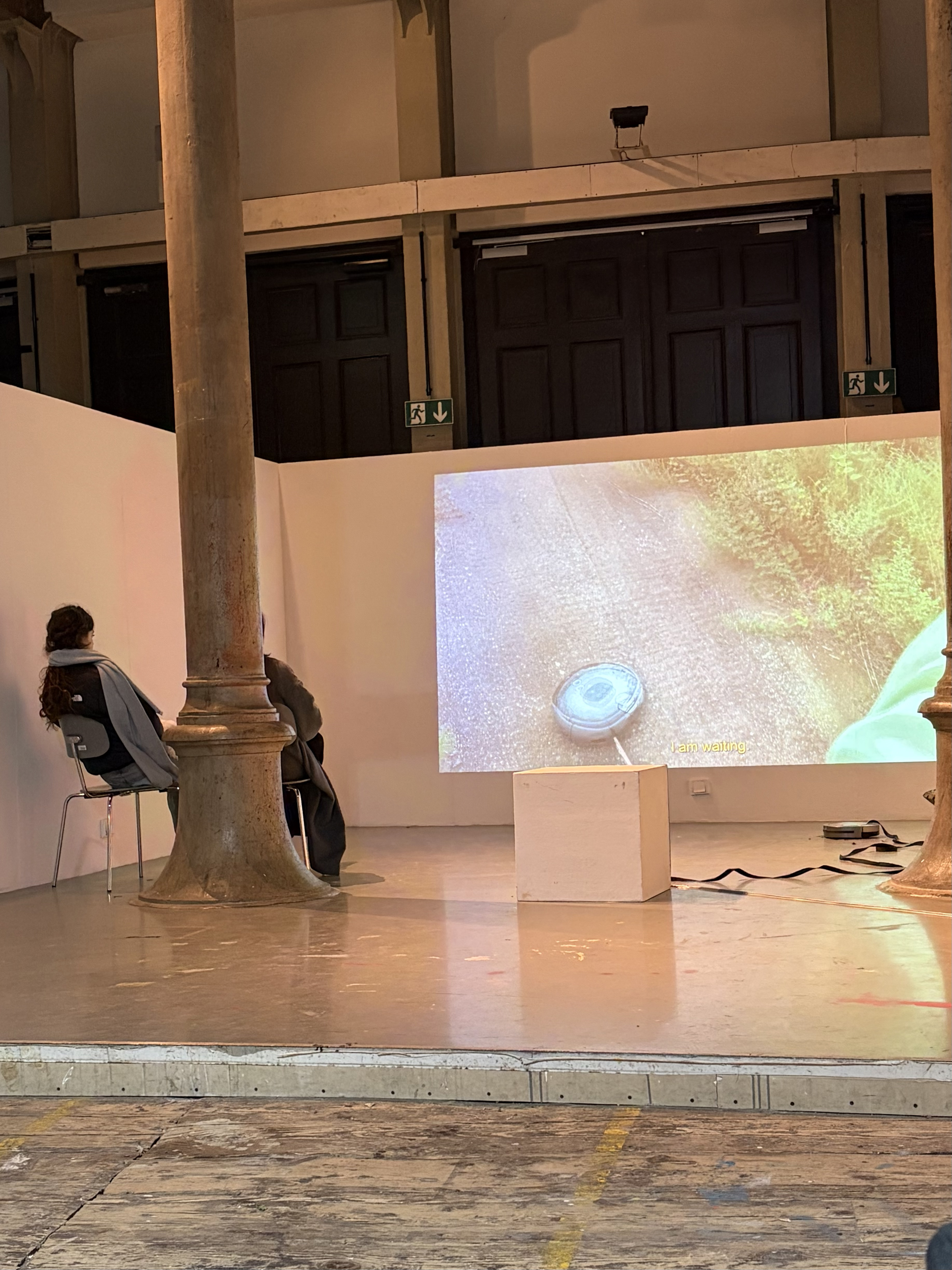
In this interview, Xavier Traynor talks about his first Rundgang as an exchange student and the differences compared to Sydney, Australia. Minjae Kim talks about tulips and robots and describes his favorite moment of Rundgang in the studio of Art and Time I Photography.
Ilay: All right, so first question for you would be, in three words, how would you describe Rundgang?
Xavier: Busy, exciting and community.
Minjae: Tulips, machines, Makava.
I: Okay, great. And to a person who has never been to Rundgang, how would you describe it?
X:I mean, it's very different to back home. The scale, I think, is quite different to what I'm used to in Sydney. So I think just going back on the excitement, but just the scale and how much art and work is on display is really special, but also, to be honest, quite overwhelming at times, but very special to witness.
I: What about you?
M: It's just.. I'm just getting surprised at how many things can happen at the same time and everything somehow works at the end, with plan, without plan, out of plan. That's just my experience.
I:Thank you. Next question. So did I understand this is your first Rundgang? Okay. After this first impression and experience, what would you say Rundgang personally means to you?
X: Well, for me, as an exchange student, it's a reflection of my time over the past few months abroad on exchange and how I've, I guess, grown as an artist but also as an independent, more independent person in a foreign country and being immersed in a new culture and how that reflects my art making process. And Rundgang is a celebration and exploration of that, not only as an individual, but in the context of with my classmates and all other peers at the Academy.
I: Nice. And what about you?
M: Yeah, I think it is different every year. I think it just feels very different every time.
I: And what is your favorite Rundgang memory?
M: My favorite Rundgang memory was actually some readings, performances and concerts this year. Yeah, it was really beautiful.
I: Nice. And you?
X: Favorite Rundgang memory? Probably working the bar on the first night, Thursday. Actually, it was my first time working there, but it was a really great way to not only hang with classmates and other friends, but also to meet new people and just be constantly moving and busy and sharing stories and talking about art and, I mean, having a drink as well, which was great. So that was fun.
I: Okay, final, final question. What work are you showing this year at Rundgang and do you want to talk about it?
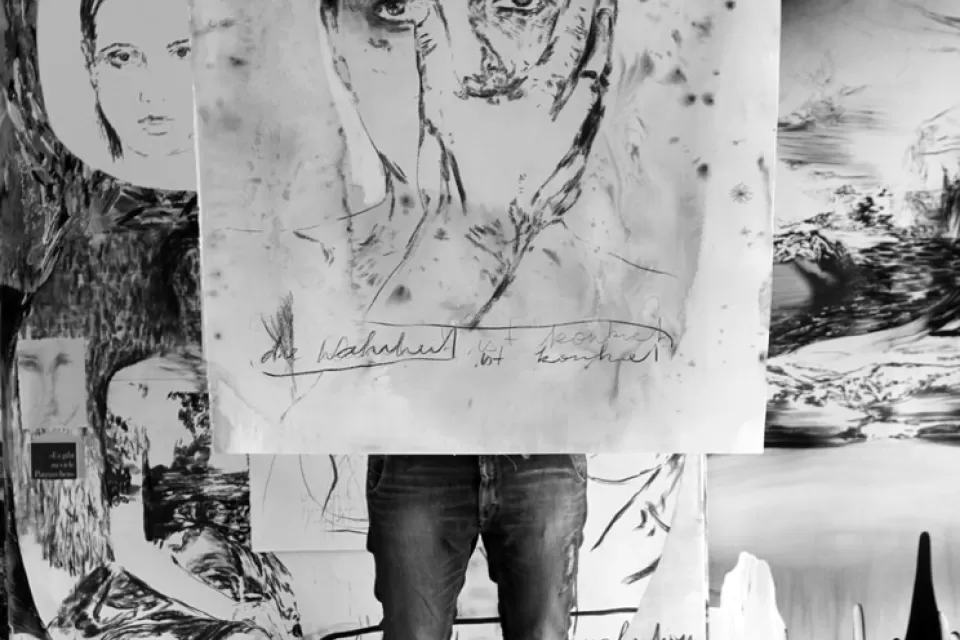
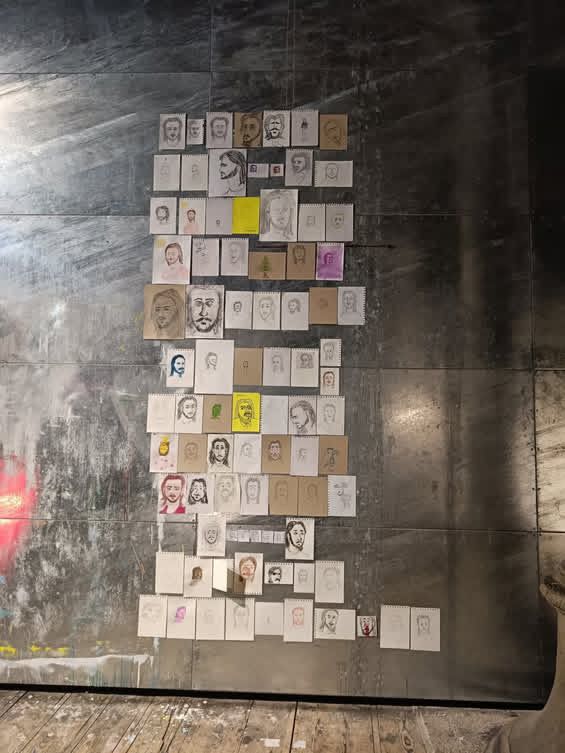
X: Yeah, I kind of talked about a little before about, so my works are a series of portraits that I set for myself every day. Yep, that's me. Since I got here, I'm not really good at writing, but I wanted to sort of reflect at the end of each day about the whole process and then be able to look back at it at the end of the five months or so. And so, yeah, each drawing is kind of a reflection of, I guess, my mood or overall understanding of each day. And it was interesting to look at, at the end of it all, in the number of how many there were, but also it's quite self-involved, which was something that I was conflicted about on coming on exchange and being very self-involved and individual and independent. And I thought that was kind of interesting to explore. And yeah, that's me.
I: Thank you. And you, what's your work?
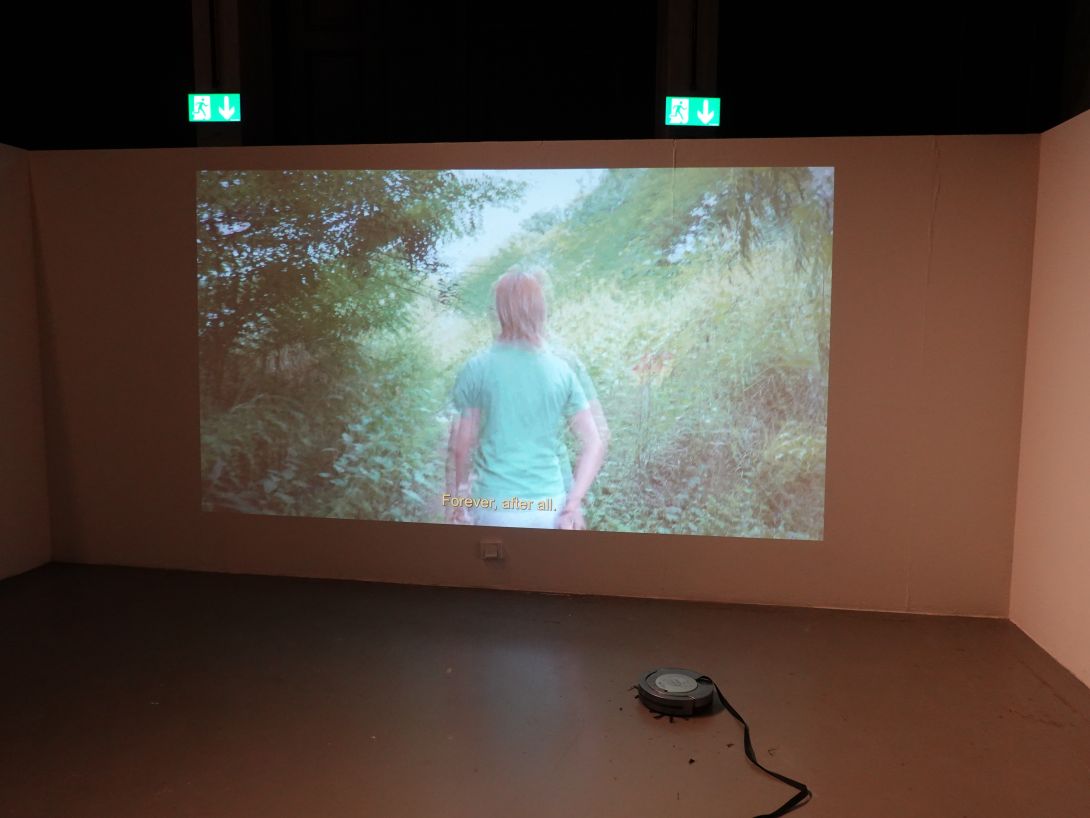
M: Yeah, so I'm showing the film. I show the first film that I tried this year to have a good sound and enough space to get into the place. And it's about connection between people and nature, machine and aliens. And yeah, I'm happy with it.
© Minjae Kim
© Xavier Traynor
This chaotic art student spirit
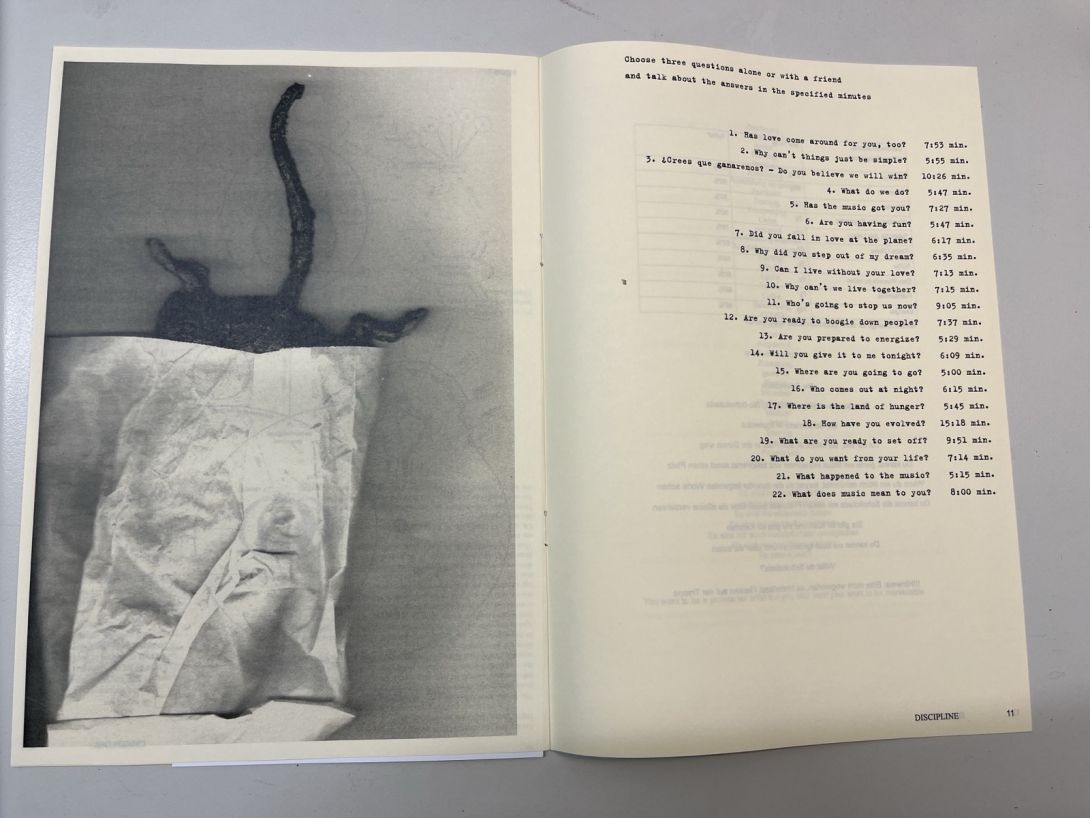
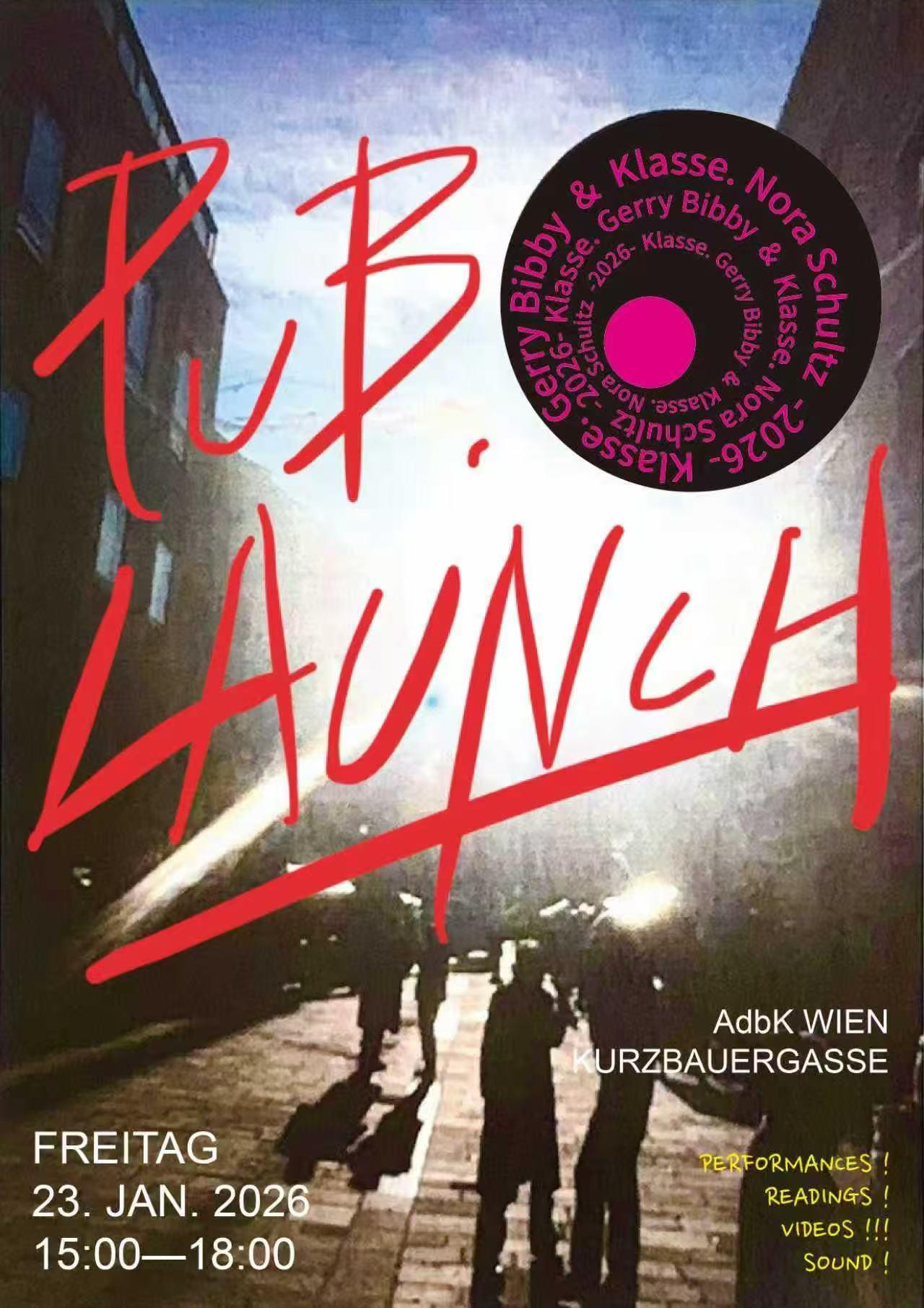
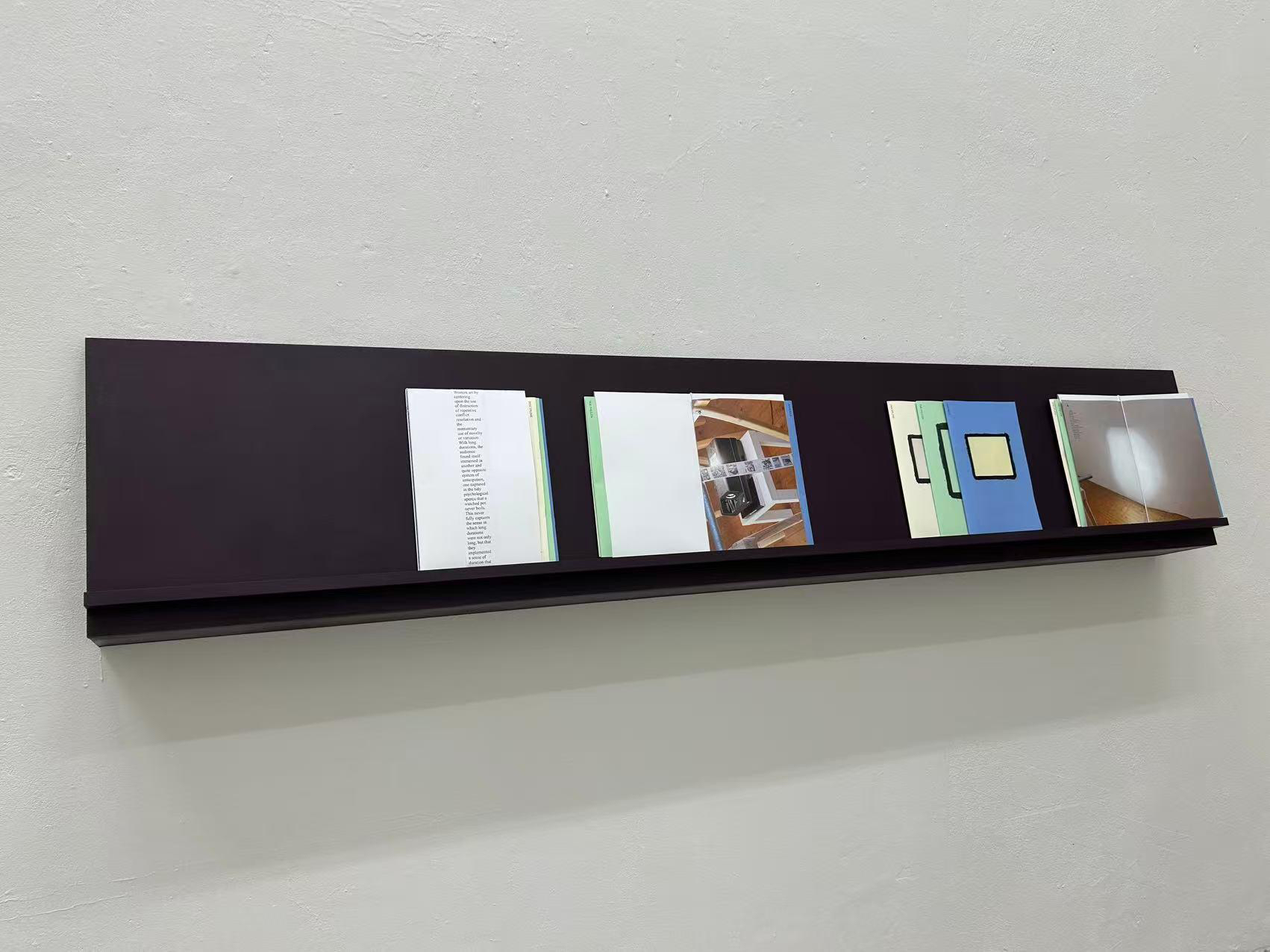
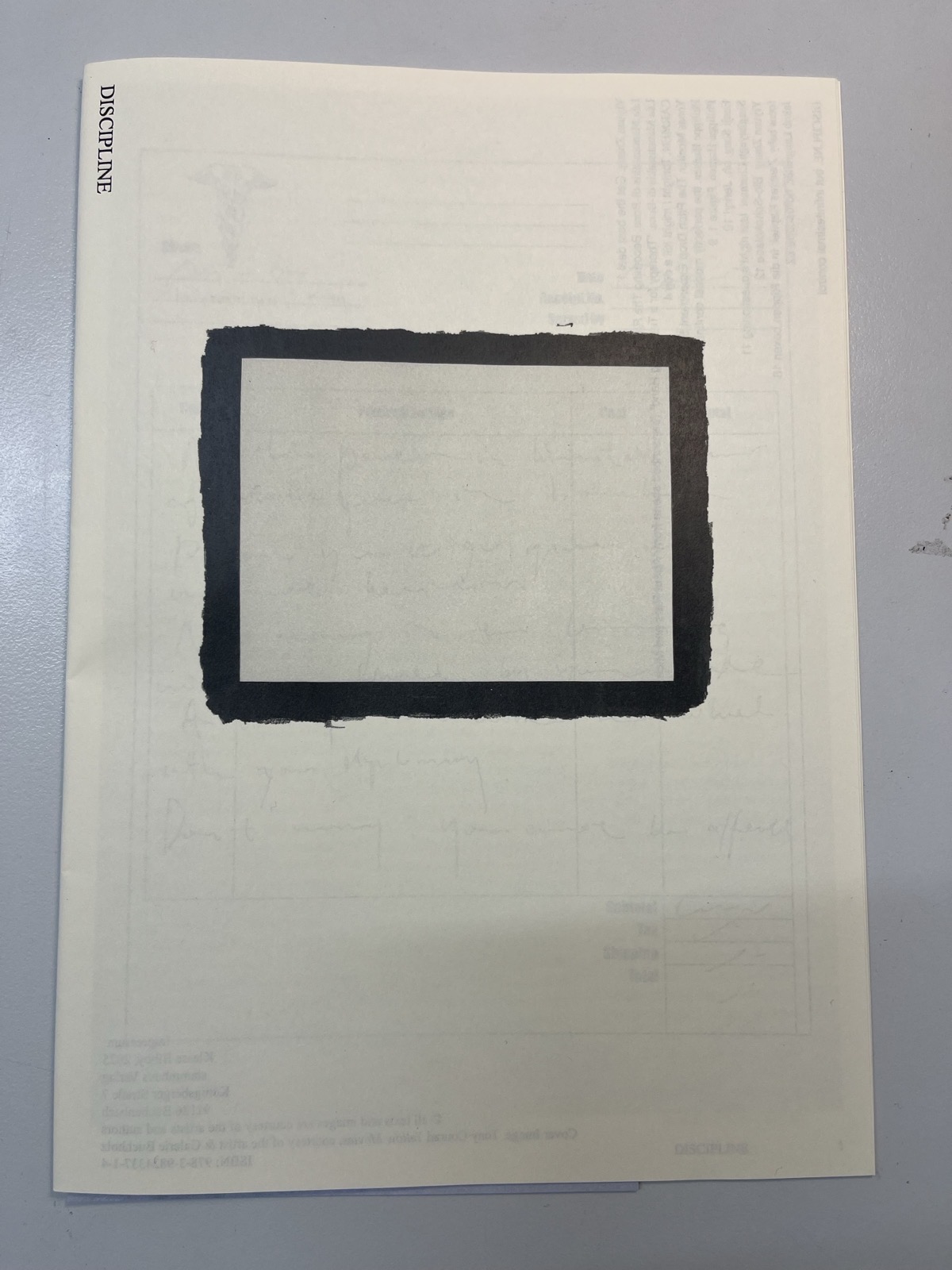
In the following dialogue you’ll hear a student from the Art and Space I Installation studio talk about her experience with Rundgang and exhibiting there, as she poses questions from a publication created in collaboration with Gerry Bibby and the Academy of Fine Arts Munich.
© Gerry Bibby
A: I ask you and then you ask me, okay? Question one, why can't things just be simple?
Ilay: Good question. I actually think that some things can be simple, but that people are afraid of simplicity. Some people, I wouldn't say everyone, but I think that some people find comfort in complicated things. I ask you? Okay, so how would you describe Rundgang in three words?
A: Overwhelming, overwhelming, and tired. What does music mean to you?
I: A lot. Listening to music, making music, yeah, makes me feel safe. My turn. To someone who has never been to Rundgang, how would you describe it?
A: To that person? Like it's a good place for party and you experience some very chaotic art student spirit and you get a very rough impression about what people are doing here. Did you fell in love at the plane?
I: On a plane? Yes. No, I didn't fall in love on a plane, but I did have one very cute encounter on the plane where I felt really alone, and I don't know if it was me or the other person, but we started talking to each other and I feel like I made a friend on the plane. We never saw each other again or anything, but it was just a nice connection. Okay, why are you here today?
A: I'm here for this publication between my class and the Gary Bibby's class from Munich, so I'm reading this text at this very right moment. What do you want from your life? A big question..
I: I think I want joy. I would like to have connections with people and feel true feelings. And I also want life to surprise me. Yeah.. Okay, last question for you. Do you want to say something about the work you're showing?
A: It's big. It's really the biggest work I have done. And yeah, I don't feel like explaining the whole work. But I'm happy it is done and how it is done now.
I: Yeah, that's nice. How does it feel to have such a big work?
A: At first place, I feel really scary because you feel like you are so exposed and also afraid that you are easily judged by the work because, you know, they define who you are by seeing one work in a way. But now I feel like I get used to it and I enjoy it. Like ,Okay, the space is mine. No, but I think I get used to it now. I feel like it's not... Yeah, actually once it's out, the fear is also gone.
I: That's beautiful. Thank you.
© Gerry Bibby
© Gerry Bibby
© Gerry Bibby
© Yixuan Hu & René Stiegler
Finally exhibiting again
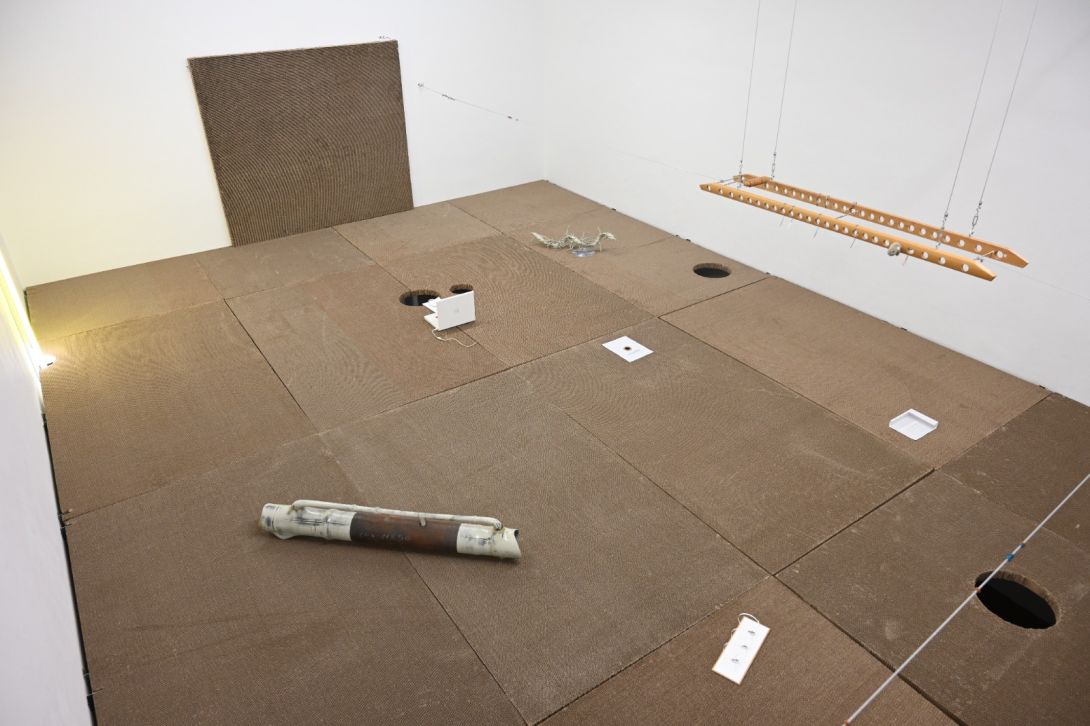
A student from the studio Art and Space I Object shares their first impressions as both a visitor and an exhibitor during the tour, and explains why it’s worth stopping by as an applicant. You’ll also learn about the collaborative installation project “Project Ratmann” by Yixuan Hu, René Stiegler, Rubén Ezequiel Löwy, Kihoon Yoo, Paul Seipel, Florian Jauernig, Rita Barbro Wilcke, Lisa Braid, and Leon Scheiblich.
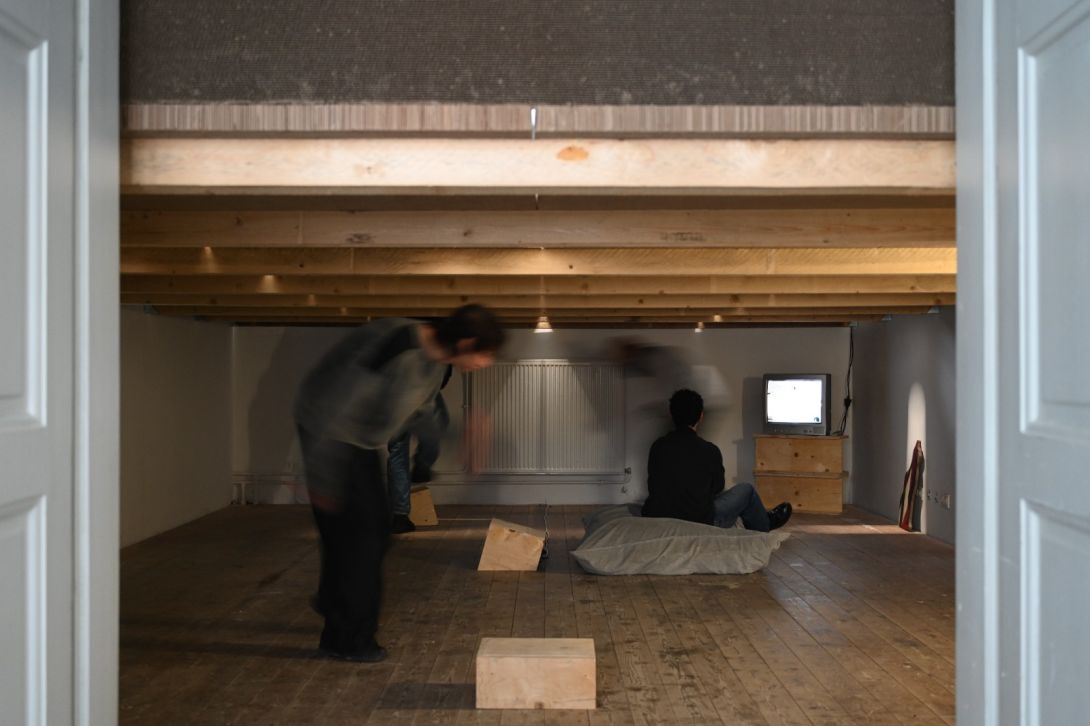
© Yixuan Hu & René Stiegler
I: How would you describe Rundgang in three words?
PR: Imaginative, Art, People.
I: And for someone who’s never been to Rundgang, how would you describe it? What is Rundgang?
PR: You get to see what the students at the Vienna Academy are doing, how they work, and what their daily life is like—to a certain extent.
I: And how many times have you been part of Rundgang?
PR: Three times.
I: And what does Rundgang mean to you?
PR: Finally getting to exhibit again, because I’ve been exhibiting less lately, and also realizing projects that you might not otherwise get to do.
I: And speaking of projects, would you talk about the project you’re exhibiting here this year?
PR: We’re here at “Project Ratmann”—with a double “N”—in Kurzbauergasse, Room 114. Together with students from various departments, we’ve added a second level to a studio and, in a playful way, have somehow created two exhibitions in one, fostering interaction between people, between the viewers.
I: Okay, I have two more questions. Do you remember your very first visit to Rundgang, and what was that like for you back then?
PR: As a visitor or as an exhibitor?
I: Both!
PR: As a visitor, I think it was quite some time ago. I tried to apply to the academy back then. But it didn’t work out once or twice. But that was really, well… I had a lot of respect for it, somehow. And the first time I exhibited was three years ago, and that was exciting. Exhibiting alongside so many people at once and getting to know the class better. But for me, both experiences were kind of nice.
I: Nice. I think you’ve already answered everything. So, is there anything else you’d like to add, or do you have any questions?
PR: I think, since you mentioned that this interview is for people who might want to apply. I think it’s good to look at what you find interesting during the Open Days and just talk to people. Find out what it’s all about and also ask what would be good to include in your application portfolio. That’s how I did it, and it’s the easiest way.
I: Yeah, I’d say so too. Okay, cool. Thanks so much for the interview.
Is it cooler now at Schillerplatz?
Following you’ll hear Eva Sommer talk about her collaboration with her mother and how she transforms the auditorium at Schillerplatz into her studio during Rundgang. She is a student in the studio of Art and Time I Performance.
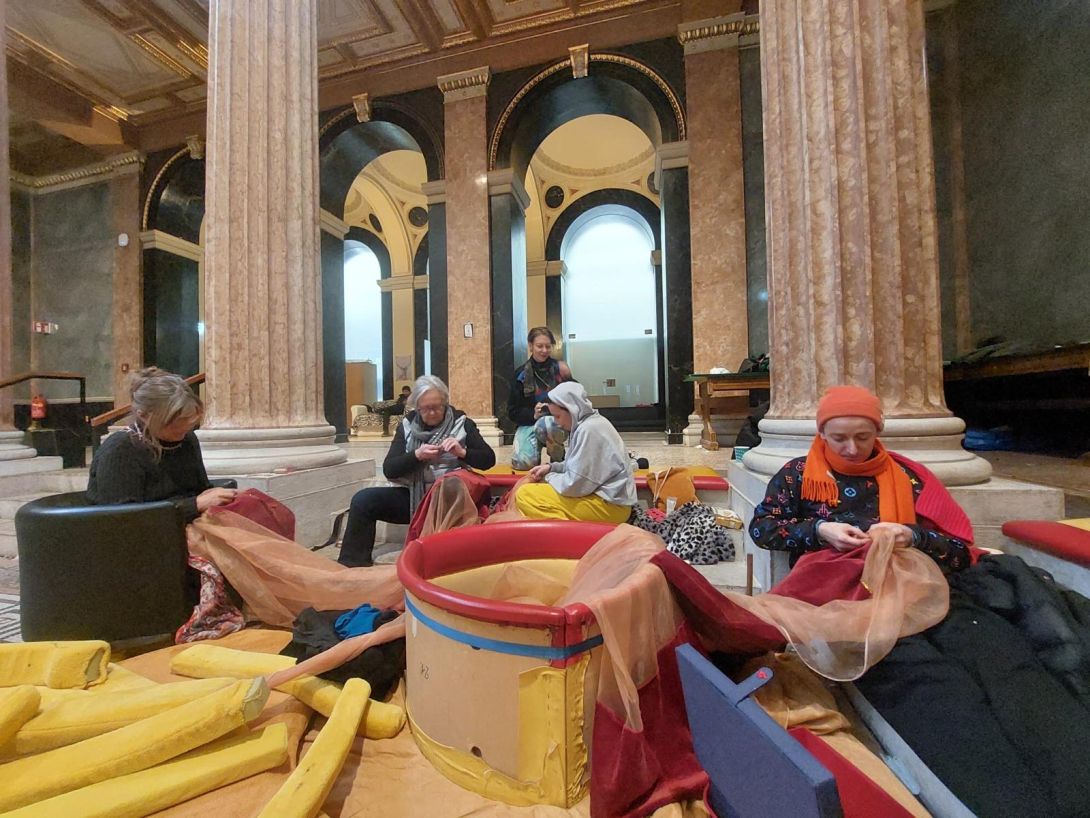
© Eva Sommer
Ilay: The first question is, in three words, how would you describe Rundgang?
Eva: Oversaturation, friendships, visitors.
I: Nice. And what does Rundgang mean to you personally?
E: Yeah, I like that, Michi... I’m in the middle of an interview right now.
I: You guys can say something too.
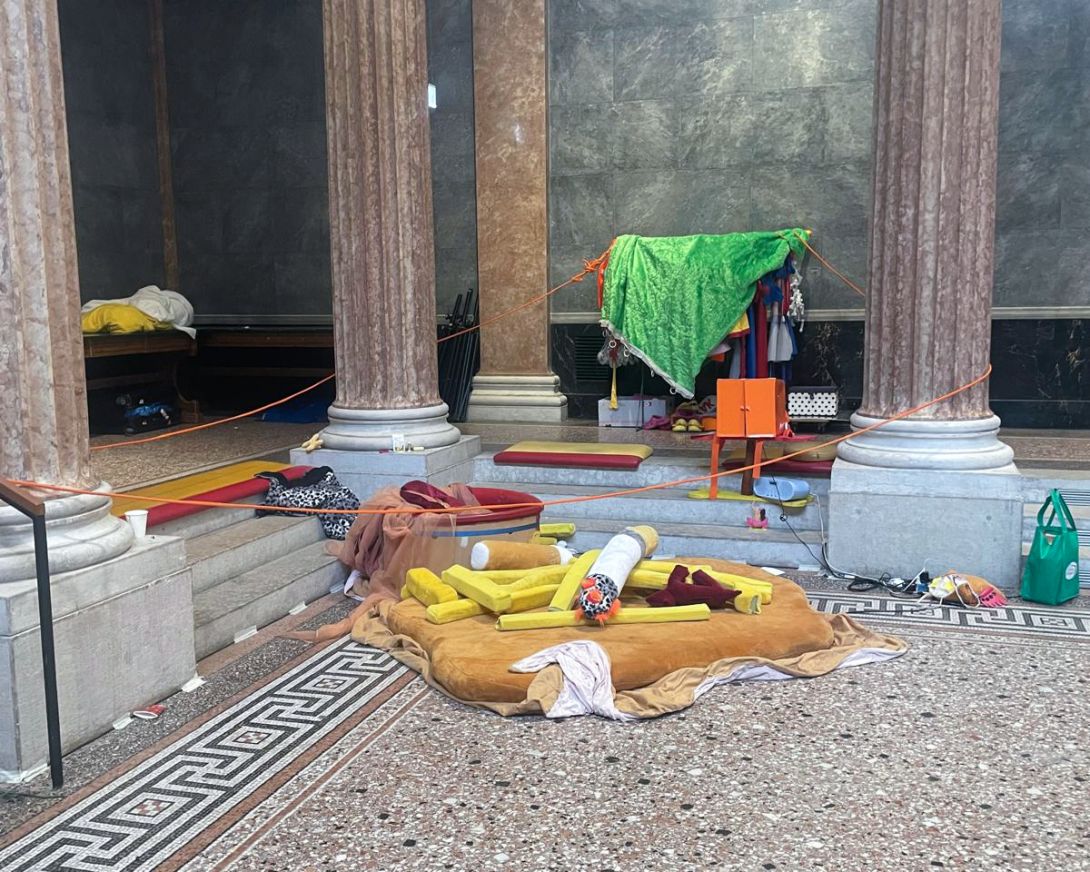
E: Yeah, you guys can say something too. Great! ..Yeah, we’re embroidering the palettes here and discussing how close together or how far apart we can embroider these individual palettes. Or what looks better.
I: And what’s the curtain for?
E: Yeah, the curtain is actually just a big object with Z-A-K. written on top. ZAK—which is the name of the collective I work in. And it’s meant for all kinds of productions based on all kinds of concepts. And here in the auditorium, it actually looks pretty cool, I have to say. Pretty monumental. And the colors just happen to fit in really well here.
I: Nice. Just by chance... (laughs)
E: Really! (laughs)
I: So what are you working on here? Or can you describe the installation? I mean, there’s the curtain...
E: Exactly, there’s the curtain, and it needs to be embroidered. It’s just this quirky idea of mine that you have to embroider these kilometer-long outlines of this Z.A.K. on it. And that’s actually why I’m here—so I can be here and meet people. Basically, that’s it.
I: That’s nice. And is this the first time your mom is joining you on at Rundgang?
E: It’s the first time she’s joining me at Rundgang, but we’ve sewn things together quite a few times before. For example, we made the curtain together amid a lot of arguing—even a tear—but we were very happy once it was finished. Now we’re continuing with the curtain.
I: That’s nice. And what’s it like having her here today and working on the curtain together in public?
E: I’ve been really looking forward to her coming all week, because the curtain was such a big, exhausting project. And now it’s really nice to work on it together again.
I: Okay, and about Rundgang: How would you describe it to someone who’s never been on one before?
E: You get to see all kinds of work by the students at the university. And also the amazing buildings and studios where the academy is held, so to speak.
I: Okay, last question: Can you still remember your very first Rundgang, and what was that like for you back then?
E: Yes, I can. Well, I have to say, I was never really into it that much. That wasn’t really my thing. But back then I was in temporary quarters at the old WU, near Spittelau. And it was kind of… everyone was just talking about how it wasn’t actually as cool as it should be. Although I still find that building extremely exciting and cool.
I: Yeah… is it cooler now, at Schillerplatz?
E: I do find it pretty funny that I’m acting like this is my studio right now, the big golden auditorium. And that I get to spend so much time here and watch so many people. People streaming in and out all the time. So I do find it funny that it’s so prominent in the First District and so many people come here, unlike at Augasse back then.
I: Yeah, I think it’s really nice that you’re taking this place in like this. I like it. Thank you.
E: Thank you.
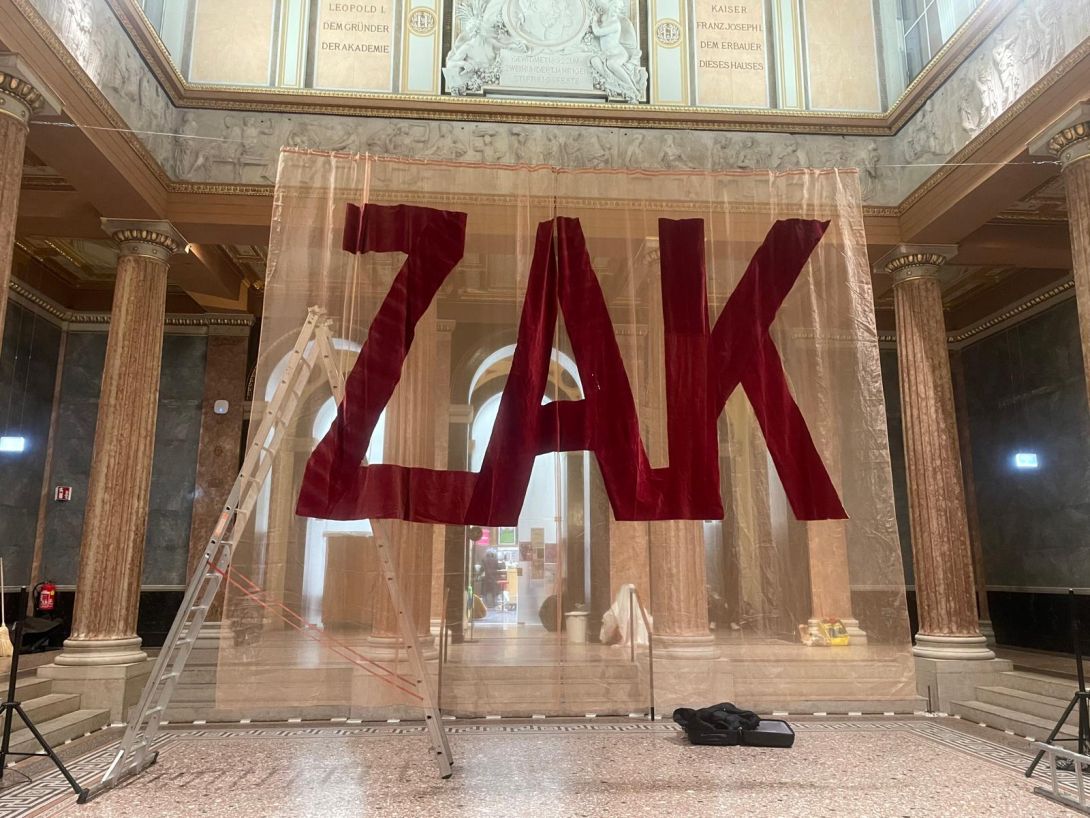
© Eva Sommer
Interviews by Ilay Schwingshandl
Photos by Minjae Kim, Xavier Traynor, Eva Sommer, Gerry Bibby, Yixuan Hu und René Stiegler
Further articles
Rundgang: Some Kind of Phantasm
Author: Dmitrii Vakulin (UGC)
What Does an Academic Year at the Academy of Fine Arts Look Like?
Author: Editorial team